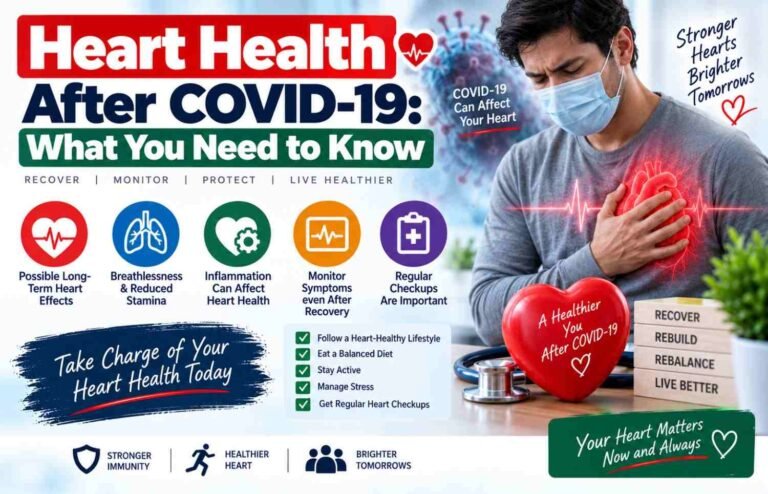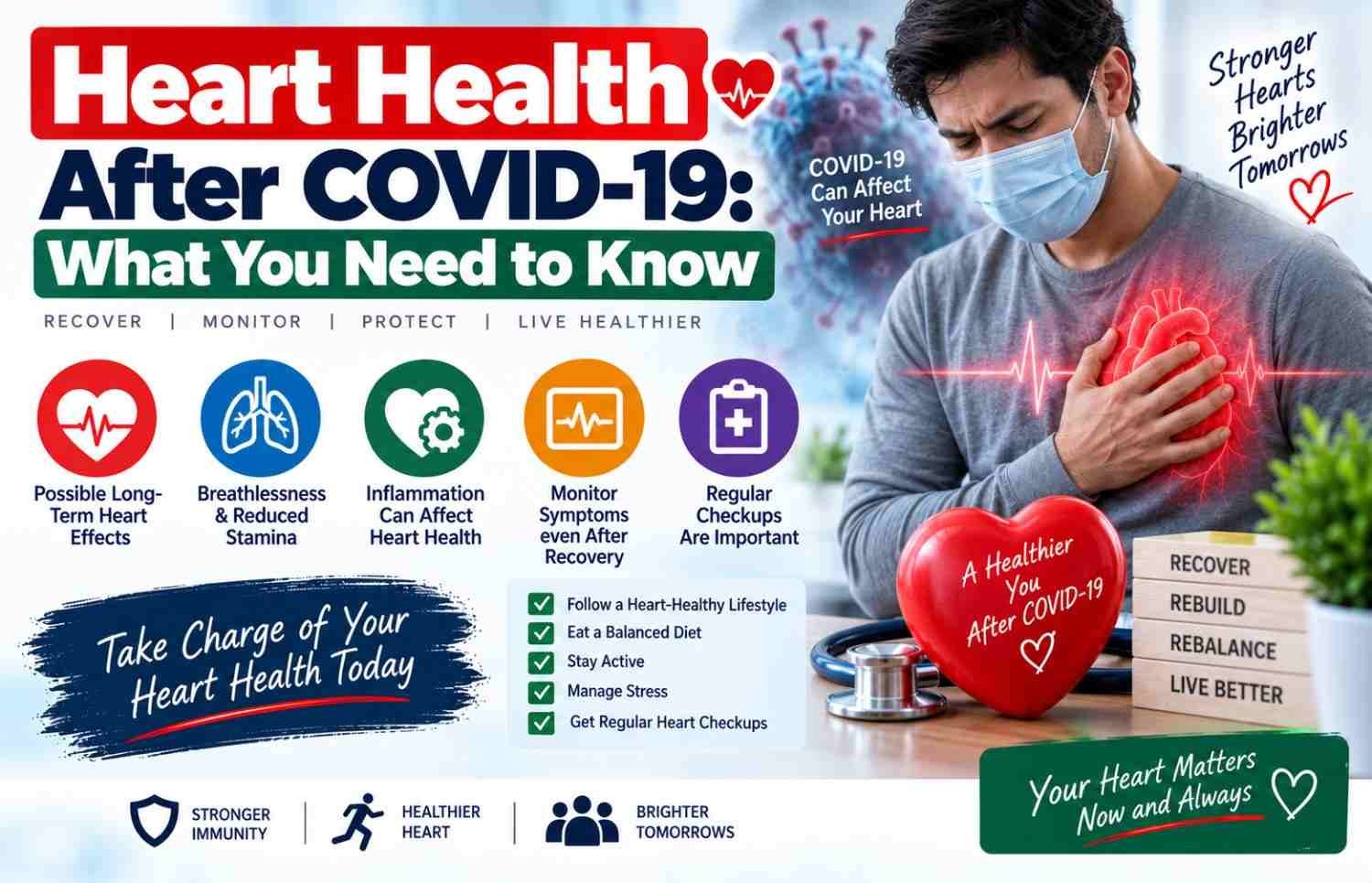
The COVID-19 pandemic changed the way people think about health. While most discussions focused on the lungs and respiratory system, medical experts have discovered that COVID-19 can also affect the heart. Even after recovering from the infection, some individuals continue to experience symptoms that may indicate underlying cardiovascular issues.
Understanding the connection between COVID-19 and heart health is essential for long-term wellness. Whether you had a mild infection or severe illness, taking care of your heart after recovery should be a priority.
How COVID-19 Affects the Heart
COVID-19 is caused by the SARS-CoV-2 virus, which can trigger inflammation throughout the body. This inflammation may affect the heart muscle, blood vessels, and circulatory system.
Some people develop heart-related complications during or after COVID-19, including:
- Myocarditis (inflammation of the heart muscle)
- Irregular heartbeat (arrhythmia)
- Blood clots
- Increased risk of heart attack
- Heart failure
- Damage to blood vessels
Even individuals with no prior history of heart disease may experience cardiovascular symptoms after recovering from COVID-19.
Common Heart-Related Symptoms After COVID-19
Many people recover completely from COVID-19, but others may continue to experience symptoms for weeks or months. These symptoms should never be ignored:
1. Chest Pain or Discomfort
Persistent chest pain can indicate inflammation of the heart muscle or other cardiovascular issues. If the pain is severe or accompanied by shortness of breath, immediate medical attention is necessary.
2. Shortness of Breath
Difficulty breathing after recovery may not always be related to lung damage. In some cases, it can be a sign that the heart is not pumping blood efficiently.
3. Rapid or Irregular Heartbeat
Many post-COVID patients report heart palpitations or a racing heartbeat. These symptoms may result from inflammation, stress on the cardiovascular system, or arrhythmias.
4. Fatigue and Weakness
Extreme tiredness is one of the most common long-COVID symptoms. While fatigue can have multiple causes, heart-related complications should also be considered.
5. Dizziness or Fainting
Reduced blood flow due to cardiovascular problems can lead to dizziness, lightheadedness, or fainting episodes.
Who Is at Higher Risk?
Although anyone can experience heart-related complications after COVID-19, certain individuals face a greater risk:
- People with existing heart disease
- Individuals with diabetes
- Patients with high blood pressure
- Smokers
- Obese individuals
- Older adults
- People who experienced severe COVID-19 infection
If you fall into any of these categories, regular cardiac checkups are highly recommended.
Long COVID and Heart Health
Long COVID refers to symptoms that continue for weeks or months after the initial infection. Research has shown that cardiovascular symptoms are among the most frequently reported long-COVID issues.
Some patients experience:
- Persistent chest pain
- Exercise intolerance
- Increased heart rate
- Blood pressure fluctuations
- Ongoing fatigue
Medical experts continue to study the long-term effects of COVID-19 on the heart, but early detection and management remain crucial.
Also Read: Where to Find the Most Trusted Ayurvedic Doctor in Lucknow
Important Tests to Evaluate Heart Health After COVID-19
If you’re experiencing symptoms after recovering from COVID-19, your doctor may recommend several diagnostic tests.
ECG (Electrocardiogram)
An ECG records the electrical activity of the heart and helps identify rhythm abnormalities.
Echocardiography
This imaging test evaluates heart function and detects structural abnormalities.
Blood Tests
Certain blood markers can indicate inflammation or damage to the heart muscle.
Stress Test
A stress test helps assess how well the heart performs during physical activity.
Holter Monitoring
This portable device records heart rhythms over 24–48 hours to detect irregular heartbeats.
Tips to Protect Your Heart After COVID-19
Taking proactive steps can significantly reduce the risk of long-term cardiovascular complications.
1. Resume Physical Activity Gradually
Avoid jumping into intense workouts immediately after recovery. Start with light walking and gradually increase activity levels.
2. Follow a Heart-Healthy Diet
Focus on foods that support cardiovascular health:
- Fresh fruits and vegetables
- Whole grains
- Lean proteins
- Nuts and seeds
- Healthy fats
Reduce intake of processed foods, excessive salt, and sugary beverages.
3. Stay Hydrated
Proper hydration helps maintain healthy blood circulation and supports overall cardiovascular function.
4. Monitor Blood Pressure
Regular blood pressure checks can help identify early warning signs of heart problems.
5. Manage Stress
The pandemic has increased stress levels worldwide. Chronic stress can negatively affect heart health, making relaxation techniques, meditation, and quality sleep essential.
6. Avoid Smoking and Excessive Alcohol
Both smoking and excessive alcohol consumption increase cardiovascular risk and should be avoided.
When Should You See a Cardiologist?
Seek medical attention if you experience:
- Persistent chest pain
- Severe shortness of breath
- Rapid or irregular heartbeat
- Swelling in the legs
- Frequent dizziness
- Unexplained fatigue
Early diagnosis can help prevent serious complications and improve recovery outcomes.
If you are looking for expert cardiac care, consulting Dr. Deepak Verma, a renowned heart specialist doctor in Gorakhpur, can help you assess and manage post-COVID heart concerns effectively. Patients seeking guidance from the best cardiologist in Gorakhpur often benefit from comprehensive heart evaluations and personalized treatment plans.
The Importance of Regular Cardiac Checkups
Many heart conditions develop silently and may not show symptoms until they become serious. Post-COVID cardiac screening can help identify issues before they progress.
Regular checkups are especially important for:
- Patients with a history of heart disease
- Individuals with persistent post-COVID symptoms
- People over 40 years of age
- Diabetic and hypertensive patients
Consulting an experienced cardiologist such as Dr. Deepak Verma can provide peace of mind and ensure your heart remains healthy after COVID-19 recovery.
Conclusion
COVID-19 may leave lasting effects on the cardiovascular system, making heart health an important part of recovery. While many people recover without complications, others may experience symptoms that require medical evaluation. Paying attention to warning signs, maintaining a healthy lifestyle, and scheduling regular heart checkups can help protect your long-term health.
If you notice chest discomfort, irregular heartbeat, shortness of breath, or ongoing fatigue after recovering from COVID-19, do not ignore these symptoms. Seeking timely care from Dr. Deepak Verma, a trusted heart doctor in Gorakhpur and recognized by many as the best cardiologist in Gorakhpur, can help ensure proper diagnosis, treatment, and recovery.
About the Author