Heart disease remains one of the leading causes of death worldwide. While many people associate heart problems with sudden chest pain or heart attacks, the reality is that the body often gives several warning signs long before a serious cardiac event occurs. Recognizing these symptoms early and seeking medical attention can help prevent severe complications and improve treatment outcomes.
If you notice any unusual changes in your health, consulting a qualified heart doctor in Gorakhpur or visiting a trusted heart care centre Gorakhpur can make a significant difference. Here are ten warning signs of heart disease that you should never ignore.
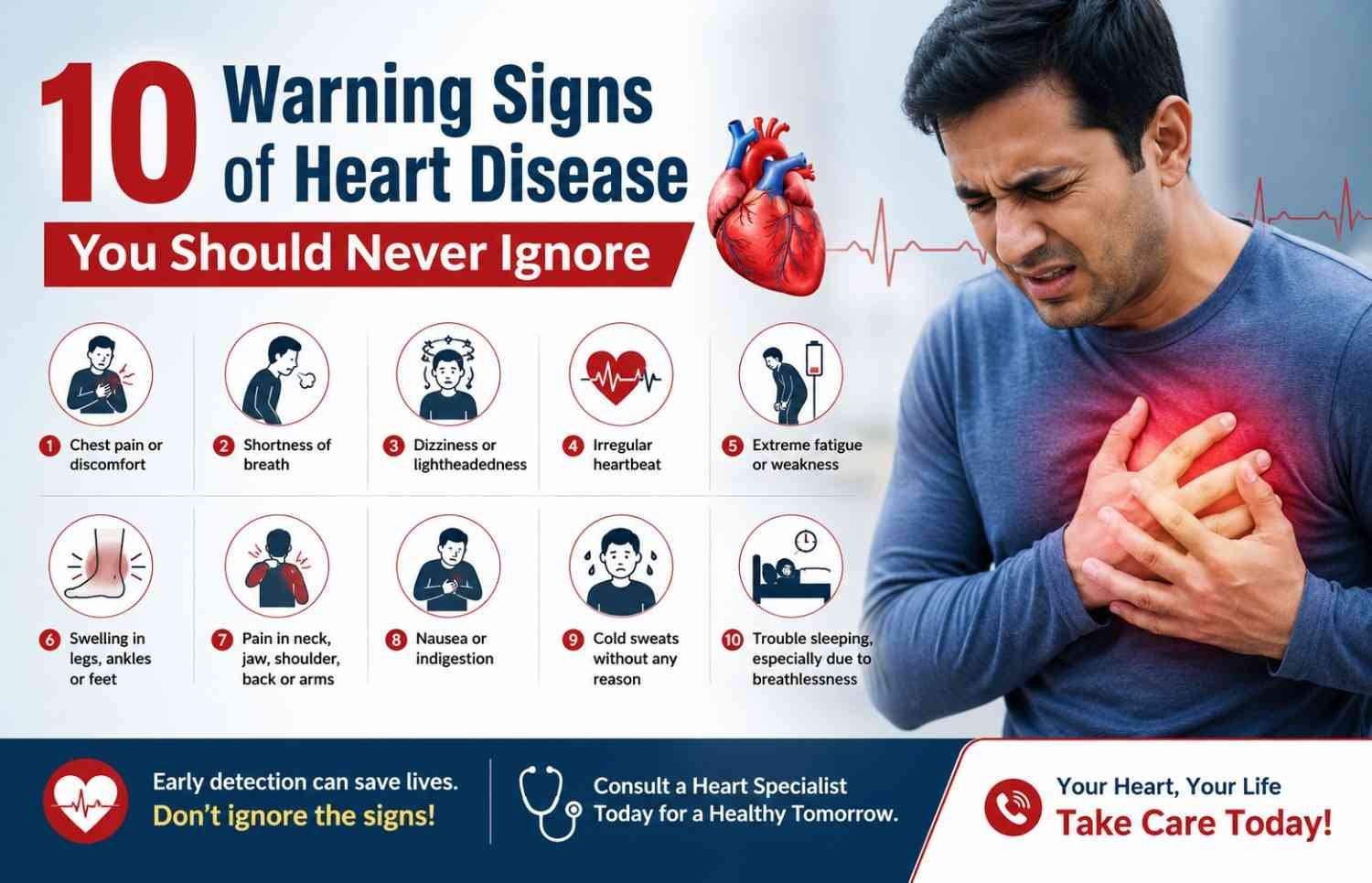
1. Chest Pain or Discomfort
Chest pain is one of the most common and recognizable symptoms of heart disease. It may feel like pressure, squeezing, tightness, burning, or heaviness in the chest. While not every chest pain indicates a heart problem, recurring or severe discomfort should always be evaluated by a healthcare professional.
The pain may occur during physical activity, emotional stress, or even while resting. If chest pain is accompanied by sweating, nausea, or shortness of breath, immediate medical attention is essential.
2. Shortness of Breath
Difficulty breathing during routine activities or while resting can be a sign that your heart is not pumping blood efficiently. This symptom often occurs when fluid builds up in the lungs due to heart failure or other cardiac conditions.
If climbing stairs, walking short distances, or performing everyday tasks suddenly leaves you breathless, it may be time to consult a heart doctor in Gorakhpur for a comprehensive cardiac evaluation.
3. Unexplained Fatigue
Feeling tired after a busy day is normal, but persistent and unexplained fatigue can signal an underlying heart problem. When the heart struggles to pump blood effectively, less oxygen reaches the body’s tissues and muscles, leading to constant exhaustion.
Many people, especially women, report extreme fatigue weeks or even months before experiencing a heart attack. Never ignore ongoing tiredness that interferes with daily activities.
4. Irregular Heartbeat or Palpitations
An occasional skipped heartbeat is usually harmless. However, frequent palpitations, racing heartbeats, fluttering sensations, or irregular rhythms may indicate arrhythmias or other cardiovascular conditions.
These symptoms can be accompanied by dizziness, fainting, or chest discomfort. Early diagnosis is important because untreated arrhythmias may increase the risk of stroke and heart failure.
5. Swelling in Legs, Ankles, or Feet
Swelling in the lower extremities often occurs when the heart cannot circulate blood effectively. This causes fluid to accumulate in the body’s tissues, a condition known as edema.
You may notice that your shoes feel tighter or that your ankles appear swollen by the end of the day. If swelling persists or worsens, seek medical evaluation at a reputed heart care centre Gorakhpur to identify the underlying cause.
6. Pain in the Neck, Jaw, Shoulder, or Arm
Heart disease does not always present as chest pain. Sometimes discomfort spreads to other parts of the body, including the neck, jaw, shoulders, back, or left arm.
This type of referred pain occurs because the nerves associated with the heart also connect to other areas. Persistent or unexplained pain in these regions, particularly when combined with other symptoms, should never be ignored.
7. Dizziness or Lightheadedness
Frequent dizziness can indicate reduced blood flow to the brain due to heart-related issues. Conditions such as arrhythmias, heart valve disorders, or low blood pressure may contribute to feelings of faintness.
If you experience repeated episodes of dizziness, especially alongside chest discomfort or shortness of breath, it is important to seek medical attention promptly.
8. Excessive Sweating
Sudden, unexplained sweating—particularly cold sweats—can be an early warning sign of a heart attack. Many people describe it as breaking out into a sweat without any physical exertion or environmental cause.
Excessive sweating accompanied by nausea, chest discomfort, or shortness of breath should be treated as a medical emergency.
9. Persistent Cough or Wheezing
A chronic cough that produces white or pink mucus may indicate heart failure. This occurs when fluid accumulates in the lungs due to poor heart function.
Although coughing is often associated with respiratory conditions, persistent symptoms that do not improve with treatment warrant further investigation. A cardiac evaluation can help determine whether the heart is contributing to the problem.
Also Read: Ayurvedic Treatment vs Modern Medicine: Which Is Better for Chronic Diseases?
10. Sleep Problems and Snoring
Sleep disorders such as obstructive sleep apnea are closely linked to heart disease. Loud snoring, gasping during sleep, and excessive daytime sleepiness can increase the risk of high blood pressure, arrhythmias, and heart attacks.
If you frequently wake up feeling tired despite adequate sleep, discussing your symptoms with a healthcare provider can help identify potential cardiovascular risks.
Risk Factors That Increase Heart Disease
Understanding risk factors is just as important as recognizing symptoms. Common contributors to heart disease include:
- High blood pressure
- High cholesterol levels
- Diabetes
- Obesity
- Smoking
- Excessive alcohol consumption
- Physical inactivity
- Chronic stress
- Family history of heart disease
Managing these risk factors through lifestyle changes and regular medical checkups can significantly reduce your chances of developing serious heart conditions.
When Should You See a Heart Specialist?
Many people delay seeking medical help because symptoms seem mild or intermittent. However, early diagnosis is often the key to preventing complications.
You should consult a heart doctor in Gorakhpur if you experience:
- Recurring chest discomfort
- Shortness of breath
- Unexplained fatigue
- Irregular heartbeat
- Swelling in the legs
- Frequent dizziness
Regular heart screenings are particularly important for individuals with diabetes, hypertension, obesity, or a family history of cardiovascular disease.
How to Protect Your Heart Health
Maintaining a healthy heart requires a proactive approach. Consider these preventive measures:
- Eat a balanced diet rich in fruits, vegetables, and whole grains.
- Exercise regularly for at least 30 minutes daily.
- Avoid smoking and tobacco products.
- Limit alcohol consumption.
- Manage stress through relaxation techniques.
- Maintain a healthy weight.
- Monitor blood pressure, cholesterol, and blood sugar levels.
- Schedule routine checkups at a trusted heart care centre Gorakhpur.
These simple habits can help improve cardiovascular health and reduce the risk of serious heart disease.
Conclusion
Heart disease often develops gradually, providing warning signs before a major cardiac event occurs. Symptoms such as chest pain, shortness of breath, fatigue, irregular heartbeat, swelling, dizziness, and excessive sweating should never be ignored. Early detection and timely treatment can save lives and prevent long-term complications.
If you or a loved one experiences any of these symptoms, consult an experienced heart doctor in Gorakhpur and seek evaluation at a reliable heart care centre Gorakhpur. Taking action today can protect your heart and ensure a healthier future.
About the Author